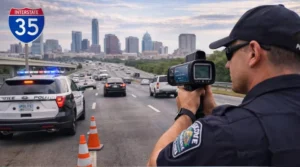
The Harsh Truth: Ignoring a Ticket Might Cost You More Than You Think
You’re driving home after a long day, and suddenly — flashing lights. A ticket for speeding or rolling through a stop sign. It feels like a small mistake.
You think, “Maybe I’ll deal with it later.” But days turn into weeks, and that simple piece of paper ends up buried in your car’s glove box.
Here’s the reality: In Texas, ignoring a traffic ticket doesn’t make it disappear — it only makes things worse. From extra fines to suspended licenses and even arrest warrants, the consequences can hit harder than most people realize.
The good news? You can avoid all of it with the right steps and a little awareness. Let’s uncover exactly what happens if you don’t pay a ticket in Texas — and how to stay in control.
How the Texas Ticket System Really Works (It’s Simpler Than You Think)
Getting a ticket issued by an officer is not only a fine, but a legal notice, and you have to answer it (a fine) in a given time frame (usually between 20 and 30 days).
All of the traffic citations in Texas are treated as Class C misdemeanors, i.e., they are dealt with in municipal or justice courts. You have three main options:
-
Pay on a fine (and seal the case).
-
Contest it in court if you believe it’s unfair.
-
Take a defensive driving course to dismiss the ticket (for eligible violations).
Request Deferred Adjudication (DA): This is an alternative to defensive driving. You plead guilty/no contest, pay the court costs, and are placed on probation (usually 60-180 days). If you receive no new tickets during this period, the original ticket is dismissed and does not go on your record.
What is the Reality of What Occurs When You Fail to Pay a Traffic Ticket in Texas.
We can list the steps in detail which will make it clear what exactly goes on:
1. First few weeks: You’ll receive a reminder from the court or your local municipality. It’s a polite notice — but also your first warning.
2. Around 30 days: The court may add late fees to your fine. If you still don’t respond, your case is moved into non-compliance.
3. 60 days later: Around 60–90 days: Your ability to renew your license is restricted. The court reports the unresolved ticket to the Failure to Appear Program (FTAP), placing a renewal hold on your license. You cannot renew your license until the hold is cleared.
4. 90 days and beyond (and up to three years): An Alias Warrant (Failure to Appear, or FTA) may be issued for your arrest. You can be arrested during any routine traffic stop for the separate criminal offense of failure to appear.
5. 6 months or more: The unpaid fine and costs are often referred to a private collection agency. A mandatory collection fee equal to 30% of the fine and court costs is immediately added to your total debt. Unpaid court debt sent to collections places your credit score at risk
Ignoring the fine doesn’t erase it. It multiplies it.
The Real Penalties You Might Face (and Why They Hurt)
-
You will be legally prevented from renewing your driver’s license until the court debt is fully satisfied.
-
Added collection costs: The court collects an additional fee of processing and handling.
-
Arrest warrant risk: In case of nonappearance in court, a judge may provide a warrant.
-
Increasing the insurance premiums: Unpaid tickets leave you with the appearance of a careless driver.
-
Permanent record effect: It can be viewed by future employers or a background check.
A single unpaid ticket can trigger a domino effect that impacts your life in the every-day world – in both your employment and your right to drive.
Is it possible to be taken to jail as a result of failing to pay a traffic ticket in Texas?
This is the most frequent question Texans have, and the answer depends on which of the two primary warrants the court issues :
-
Alias Warrant (Failure to Appear/FTA): This is issued if you fail to respond to the ticket or show up in court by the deadline. You are arrested for violating your promise to the court, not for the traffic violation itself.
-
Capias Pro Fine Warrant: This warrant is issued after you have been convicted (found guilty or pleaded no contest) but fail to comply with the court’s final judgment, such as stopping payments on a payment plan.
The Critical 2025 Indigency Update: You cannot be jailed simply because you are poor and cannot afford the fine. If you inform the court that you are indigent (unable to pay), the court must offer alternatives like community service, a payment plan, or a fine reduction/waiver.
Crucially, effective January 1, 2025, Texas law mandates that if a judge requires you to serve jail time to discharge the fine and costs (under a Capias Pro Fine warrant), you must be credited at a rate of not less than $150 for each period served. This ensures the debt is discharged quickly if incarceration is necessary.
How to Fix an Unpaid Ticket Before It Ruins Your Record
If you realize you’ve missed the deadline — don’t panic. Texas courts often allow drivers to make things right. Here’s what to do:
-
Contact the court immediately: Explain your situation politely. The majority of courts value sincerity and provide resolutions.
-
Request a payment plan: You can also ask to make monthly installments as opposed to a single installment.
-
Ask to attend a defensive driving school: This will also eliminate the ticket off your record, and will save you insurance premium increases. You can even complete it online through certified state programs such as Drive Defensively Texas
-
Don’t ignore future notices: Always reply — even if it’s just to ask for more time.
-
Keep proof of every payment or communication: It helps in case of confusion or errors.
Taking care of your ticket early can save you money and stress
What is the length of stay of an unpaid ticket in Texas?
An unpaid ticket will just be active until it is fixed. The unpaid fine will appear even many years later when you attempt to renew your license or to register a vehicle.
The Failure to Appear/Pay Program is an assurance that unpaid tickets are interrelated across counties. It means that your record accompanies you even in case you relocate to another city.
Common Myths vs Reality (Don’t Fall for These)
Myth 1: Many believe, “I only got one ticket; nothing will happen.”
Reality: Handling your ticket right away can prevent stress and extra costs
Myth 2: “People often say, “It’s only one ticket; I’m fine..”
Reality: Texas shares ticket records statewide and with many other states.
Myth 3: “I’ll just pay it later when I can.”
Reality: Delays add more fines, and your total can double within months.
Myth 4: “Defensive driving is only for new drivers.”
Reality: Experienced drivers use it to clean their records and reduce insurance costs.
Smart Tips to Stay Ticket-Free in the Future
You can’t undo a ticket once it’s issued, but you can prevent the next one:
-
Stop Open posted speed limits and stop signs – no excuses.
-
Keep your registration and insurance updated.
-
Use safe driving habits — especially in school zones and intersections.
-
Court mail or legal notices must not be ignored.
-
Refresh your driving knowledge every few years with an online course.
Defensive driving isn’t just about rules — it’s about protecting your peace of mind.
Frequently Asked Questions, effective answers to drivers in Texas.
Q1: Can I still pay my ticket after the due date?
Late payments are accepted in many courts, but you are likely to incur an additional fee. You should contact your local court as soon as possible.
Q2: What happens when I lose my ticket and I am not sure where to pay?
You may check your ticket online on the municipal court web site of your city or the Texas DPS portal.
Q3: Will unpaid tickets affect my car insurance?
Yes. Unpaid tickets are also a form of risky driving in the eyes of insurance companies and they may raise your premium.
Q4: What should I do to know if a warrant exists for my ticket?
Contact your county court directly. They can confirm by phone or on their website whether a warrant is active.
Q5: Can a defensive driving course really remove my ticket?
Yes, for eligible violations. Taking a state approved course aids in dismissal of the ticket and aids in avoiding points on record.
Concluding Remarks – Be Smart, Be in Control.
Failing to pay a ticket initially can be a minor misdeed but in Texas, this may end up causing a runaway of larger issues including suspension of licenses to court warrants.
The rules in the courts are subject to change hence always verify any information with your local municipal court. This fact can be best handled by taking a proactive step, telling the truth to the court, and making accountable decisions. And in case you wish to keep your record and confidence on the road, a brief defensive course of driving would be the saving grace.
In Texas, responsible driving does not only mean obeying the law but also, saving your own future on the road.
Disclaimer: This is general information, consult attorney for legal advice