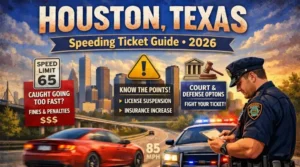
I Thought It Was Just a Ticket — Until the Insurance Bill Arrived
When I got my first speeding ticket in Dallas, I assumed it was just a fine to pay and forget about. I paid it and went back to my normal routine — or so I thought. A few weeks later, my insurance bill arrived, and it had shot up like crazy. That’s when I learned something every Texas driver should know: paying your ticket isn’t always the best choice.
In Texas, even a small speeding ticket can bring unexpected trouble — higher insurance, points on your record, and sometimes a suspended license. But here’s the good part: you can avoid most of that if you know what to do. In Texas, motorists have been able to get away with their tickets by taking the correct measures every day.
This is a simple guide on how to combat the speeding ticket in Texas, how defensive driving schools operate, and how the driving record and insurance protection work.
If you ever need a trusted option, check DriveDefensivelyTexas.com — a state-approved defensive driving course built for Texas drivers who want a quick and easy dismissal process.
What a Speeding Ticket Actually Means in Texas
A speeding ticket in Texas isn’t just about going a few miles too fast. It’s a legal violation under the Texas Transportation Code §545.351, known as the Safe Speed Law.
It says you must always drive at a “reasonable and prudent” speed — even if it’s below the posted limit. For example, driving 65 mph during heavy rain can still lead to a ticket because the road conditions weren’t safe.
The speeding violations in Texas are of two kinds:
-
Absolute speeding: Driving faster than the posted limit.
-
Presumed speeding: A driver is driving at a speed that is unsuitable to the prevailing road or weather conditions.
When points hit your record, the real problems begin:
-
2 points for regular speeding.
-
3 points if the speeding caused an accident.
If you collect too many, your license or insurance could be affected.
In such cities as Dallas, Travis, or Harris County, fines are normally $150–$300 depending on your case.
Step 1: Review Your Ticket Carefully
Before doing anything else, look closely at every detail on your ticket.
Check for small errors like:
-
Wrong date or time
-
Incorrect speed limit or location
-
Misspelled name or license plate number
Even a small mistake can help you get your ticket dismissed.
Also, pay attention to the officer’s notes — they describe what the officer saw. If something seems inaccurate, that’s another point in your favor.
Pro tip: Take a photo of your ticket right away. On paper, the information might be lost easily, and you will need it later.
Step 2: Know Your Options
After you have checked your ticket, you usually have three options:
1. Pay the Fine
Paying is easier, but it is as though acknowledging that one is guilty. The breach remains in your record, and your insurance might increase in 3 years.
2. Fight the Ticket in Court
This is the most appropriate route in case you feel that you were not speeding or the police officer was wrong. Having the right steps, you may have your case reduced or dismissed.
3. Demand a Defensive Driving School
In Texas, there are a large number of drivers who can attend a state-approved defensive driving course to dismiss a ticket.
You are normally eligible when you:
-
Were not exceeding 25 mph above the speed limit.
-
Didn’t get the ticket in a construction zone.
-
Don’t have a commercial driver’s license (CDL).
Remember to inform the court within 10–20 days of the ticket date — don’t wait too long.
Step 3: How to Fight a Speeding Ticket in Texas
Step 1: Plead “Not Guilty.”
You may do that by mail, online, or in person, depending on your county. It implies that you are appealing against the ticket, rather than that you are not appealing against the ticket.
Step 2: Request Discovery Evidence.
Many people don’t know this, but you have the right to request the officer’s evidence. Ask the prosecutor for:
-
Radar or lidar calibration records
-
The officer’s training certificate
-
Notes or reports from the stop
Any of these may support your case; however, in the event that any of them is missing or not up-to-date, it helps your defense.
Step 3: Build Your Case.
Take clear photos of the area where you were stopped. Were the signs hidden? Was the weather bad? Was traffic heavy? Every detail helps.
You can also use dashcam footage or witness statements.
Step 4: Prepare for Court.
Arrive early, stay polite, and speak clearly. Judges respect calm and confident drivers. If the officer doesn’t show up, politely request a dismissal.
Step 5: Keep Records.
Save all your emails, photos, and documents. You might need them again later.
Step 4: Common Defenses That Work in Texas
Here are some real defenses that have helped many drivers:
-
Radar inaccuracy: Devices need regular calibration. Missing proof weakens the case.
-
Flow of traffic: Sometimes, slowing down can be unsafe when everyone else is moving faster.
-
Hidden or unclear signs: If signs were blocked, use photos as evidence.
-
Bad weather: Rain, fog, or glare can affect radar readings.
-
Emergency: If it were a genuine emergency, explain it calmly.
-
Officer mistake: Visual errors happen more often than you think.
Each defense works best when supported by facts — not emotions.
Step 5: Why a Defensive Driving Course Helps
For most drivers, taking a defensive driving course is the easiest solution.
It dismisses the ticket, clears points from your record, and can even lower your insurance rate.
The best part? You can complete it entirely online, at your own pace, from home.
If you’re unsure where to start, visit the driving course — a Texas-approved course that helps drivers dismiss tickets and earn insurance discounts fast.
Once you finish, you’ll receive a completion certificate. Submit it to the court before the deadline, and your ticket will be dismissed — legally and cleanly.
Dos After Getting a Ticket
-
Stay calm and respectful with the officer.
-
Read your ticket carefully.
-
Respond before the due date.
-
Ask for discovery evidence early.
-
Collect photos or witnesses if you can.
-
Take a defensive driving course if eligible.
Don’ts After Getting a Ticket
-
Don’t admit guilt right away.
-
Don’t ignore deadlines.
-
Don’t pay without checking your options.
-
Don’t assume the radar is always accurate.
-
Don’t skip court — it can make things worse.
Step 6: Protecting Your Insurance and Driving Record
After getting a ticket, focus on protecting your record and keeping insurance costs low.
Here’s how:
-
Avoid notifying your insurer unless it’s required.
-
Complete a defensive driving course for possible discounts.
-
Drive carefully for the next 12 months — one clean year helps restore your record.
Even avoiding one more ticket can save you hundreds of dollars yearly.
Step 7: Hiring of a Traffic Attorney
If you have several tickets or a CDL, or face severe punishment, it may be a good idea to hire a Texas traffic attorney.
An attorney can identify errors in radar data, compare reports, and help you get a better outcome.
Their prices normally range between $100–$300, depending on the county.
Many lawyers in Houston, Austin, and Dallas offer free consultations — worth checking out if your case looks serious.
Common Questions
Is it possible to dismiss a speeding ticket in Texas?
Yes. You can get rid of it by attending a defensive driving school or by winning your court case.
Should a speeding ticket be contested?
Weak evidence or an absent officer could turn the case in your favor, helping you avoid fines and protect your record.
What is the cost of speeding tickets in Texas?
Typically, it costs between $150 and $300, depending on the location and speed.
Do I have to go to court for it?
Only if you plead “not guilty” or request dismissal.
That’s a Wrap — Lessons Learned on the Texas Roads
Speeding tickets may be stressful, but they do not need to destroy your record.
You do have rights — and you have options.
Informed motorists don’t just drive fast — they drive smart.
With the knowledge of Texas traffic laws, you can protect yourself, maintain a clean record, and drive with confidence.
The next time you see those flashing lights behind you, take a deep breath — you now know how to handle it the smart way!
Disclaimer: This is general information only. Consult an attorney for legal advice.